
Winter can be tough on people, but it is tougher on your homes. This includes your garage doors. When the temperature drops, moisture increases, and weather conditions become unpredictable, garage doors start showing signs of trouble. What worked perfectly in the summer months can suddenly feel stiff and noisy. In extreme conditions, it can completely stop working. This is why the demand for garage door repairs in Buckinghamshire rises sharply during the winter months. This is the time when seasonal wear and tear starts to show.
How Winter Weather Causes Garage Door Problems
Cold Temperatures and Mechanical Stress
Let’s face it, garage doors are made up of several moving parts. This includes springs, rollers, hinges, and different cables. In the cold weather, metal components contract. This increases tension and reduces the flexibility of those parts. So, while springs become more brittle and more likely to snap, cables lose their elasticity.
Lubrication is another issue during the cold months. Oils and greases that otherwise work fine during the summer months dry out when temperatures drop. This causes friction between moving parts, thus leading to jerks, grinds, and the door moving unevenly. Over time, this puts unnecessary pressure on the garage door motor.
Moisture, Frost, and Weather Damage
The winter weather brings rain, frost, and even snow. These can, at times, wreak havoc on the garage door performance. Moisture can settle into joints and seals, especially around the bottom of the door. When the temperature drops at night, this moisture freezes, making the door difficult to open.
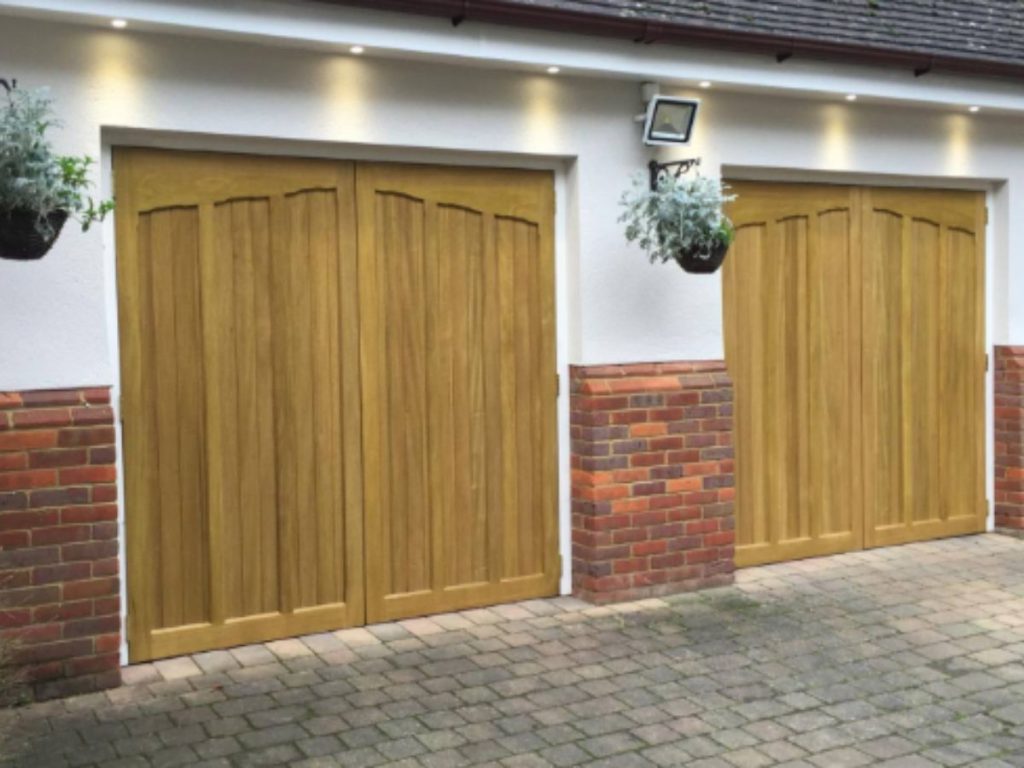
Wooden garage doors are also vulnerable, as they absorb water and swell. This leads to garage door misalignments. As for metal doors, they rust, especially when moisture collects on hinges or tracks. In fact, even small amounts of corrosion can weaken parts over time.
Increased Pressure on Motors and Electronics
Like most other electronic parts in pretty much everything, garage door motors and other electrical components also struggle in cold weather. Low temperatures reduce battery life in remote controls. Sensors may also start acting weird because of the frozen door.
As resistance increases due to stiff components or frozen seals, the motors on the garage door have to work harder to lift up or lower the door. This extra pressure causes overheating and long-term damage. So, what starts as a slow and noisy door can eventually turn into a complete system failure.
Key Takeaway
Garage doors tend to break down more often in winter. This is due to a combination of the low temperature, moisture, and increased pressure on the motors/ electronic parts. While winter conditions can’t be avoided, understanding how the weather affects the garage doors can help. This way, you can take preventive steps. Regular maintenance, timely inspections, and early repairs can together keep the garage door working reliably for years.
At Premier Garage Doors & Gates, we specialise in professional garage door repairs in Buckinghamshire. We help homeowners keep their garage doors safe, secure, and working properly year-round. This has allowed us to create a niche of our own. We take pride in our workmanship and honest pricing.
Contact us today to book your garage door inspection and repair.